

Stories, science and secrets from the world’s brightest thought-leaders. Behavioral Grooves is the podcast that satisfies your curiosity of why we do what we do. Explanations of human behavior that will improve your relationships, your wellbeing, and your organization by helping you find your groove.
Episodes
Sep 23, 2024
Sep 23, 2024
57 min
Are we more divided than ever? How can people see past their differences and come together for the greater good?
In this three-part series, Kurt and Tim explore the psychology behind the rise of political polarization in the United States. Tracing its roots back to the late 60s and 70s, they examine how the advent of cable news has played a pivotal role in shaping today’s divisive landscape.
With insights from researchers around the globe, this episode highlights key findings from interviews conducted at MIT’s Polarization and Politicization conference. Experts from around the world discuss the critical role of perception and how digital platforms can either foster constructive dialogue or deepen the divide between opposing sides.
Polarization is complex—it’s a persistent and growing trend we can no longer ignore. If you’re curious about understanding not only the nature of polarization but also how to combat it, this episode offers a hopeful perspective on promoting cooperation and a shared sense of reality.
Tune in next week for Parts 2 and 3 of this thought-provoking series!
© 2024 Behavioral Grooves
Topics
[0:00] History of Polarization
[2:25] MIT’s Polarization Conference
[6:00] Understanding Polarization: Sandy Pentland
[15:39] Misinformation: David Rand
[27:45] Meta-perceptions and propaganda: Mina Cikara
[36:10] Why do we lack a shared reality? Yph Lelkes
[40:32] The danger of political elites: Josh Greene
[46:28] Grooving Session: How do we create respectful dialogues?
© 2024 Behavioral Grooves
Links
Sandy Pentland’s Media Lab
David Rand - Debunk Bot
Mina Cikara - The Gravity of Groups
Yph Lelkes - Polarization Research Lab
Josh Greene - Josh and the Cooperation Game
Want More Behavioral Grooves?
Join our Facebook Group!
Follow us on Instagram: @behavioralgrooves

Sep 16, 2024
Sep 16, 2024
1 hr 7 min
Do you struggle with maintaining healthy eating habits?
Are you, like Kurt, stashing Oreos in the basement to avoid temptation? Believe it or not, making small changes to your environment can be more effective for managing your health than relying on willpower alone.
This week, Kurt and Tim are joined by nutrition expert Monica Reinagel—an opera singer turned nutritionist and podcaster. Monica shares her unique insights on weight management and what really matters when starting your personal health journey.
Context is everything when it comes to health decisions. In this episode, they dive into how simple tweaks to your environment, both public and private, can have a big impact on your overall well-being. Tune in for practical tips, expert advice, and the encouragement you need to start making healthier choices that work for you.
© 2024 Behavioral Grooves
Book a time to talk to Tim about Behavioral Grooves here.
Topics
[0:00] Oreo habits and environmental adjustments
[9:22] Introduction and speed round
[13:50] Are New Year’s Resolutions bad?
[20:08] Eating, emotions, and environment
[24:32] From opera singer to nutritionist - finding your passions
[31:35] How we can look at nutrition through behavioral science
[38:30] Tracking nutrition with the Nutrition GPA App
[45:00] Desert island music
[51:32] Grooving Session: influencing behavior by changing your environment
© 2024 Behavioral Grooves
Links
Behavioral Grooves Facebook Group!
Musical Links
Bach - Spirits of Meditation - Suite #5 Aria
Mozart - Symphony No. 40 in G minor
Sep 9, 2024
Sep 9, 2024
58 min
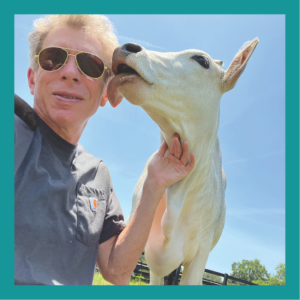
Get ready for a moo-ving conversation! This week, Kurt and Tim sit down with Gregory Berns, a psychology professor at Emory University, to explore the secret world of cows. Gregory shares his journey from academic to accidental farmer during the COVID-19 pandemic and how a group of miniature cows changed his life.
There’s moo-re to cows than meets the eye, and Gregory reveals how his farming adventure turned into a real-life exploration of cow psychology, unveiling behaviors that challenge common assumptions. In today’s world, there’s often a disconnect between urban dwellers and livestock, and the trio discusses how we can reconnect with farm life and our food sources to become more conscious consumers.
But that’s not all—tune in to hear how Gregory’s innovative “bud box” techniques show how understanding cow psychology can lead to stress-free handling and trust-building on the farm and beyond. Whether you’re a city slicker or a country dweller, this episode will expand your perspective and leave you with a newfound appreciation for the complex inner lives of the animals around us.
© 2024 Behavioral Grooves
Book a time to talk to Tim about Behavioral Grooves here
Topics
[0:00] A different type of episode!
[2:44] Intro and speed round
[4:49] How does a behavioral scientist start raising cows?
[12:21] Understanding cow personalities
[18:38] Psychology of animal relationships
[27:59] Cow psychology and handling techniques
[36:51] Music and cows
[42:25] Grooving session - understanding our relationship with animals
© 2024 Behavioral Grooves
Links
Cowpuppy: An Unexpected Friendship and a Scientist's Journey Into the Secret World of Cows
Musical Links
Lynyrd Skynyrd - Sweet Home Alabama
The Band - Don’t Do It
The Beach Boys - Kokomo

Sep 2, 2024
Sep 2, 2024
1 hr 9 min
Do women in the workplace have to choose between being likable and assertive?
This week, Alison Fragale, author of The Likable Badass joins Kurt and Tim to look at the challenges women face in the workplace and how they can overcome. With her powerful concept of the “likable badass”, Alison teaches listeners the art of blending warmth with assertiveness to achieve success without sacrificing authenticity.
Alison unpacks and explores the historical disadvantages women have faced due to gender and stereotypical characteristics that often hinder success. She highlights how women can overcome these traditional obstacles by balancing confidence and kindness, offering practical strategies like positive self-talk, and building an “army of promoters” to elevate their status. Throughout their discussion, Alison emphasizes how small, incremental improvements and effective communication can help women build a strong reputation.
In their grooving session, Kurt and Tim dive deeper into the concept of the likable badass, providing listeners with tangible insights on how small, consistent efforts can significantly impact workplace success and beyond. By focusing on building status rather than seeking power, listeners of all genders can gain valuable insights into self-promotion and confidence in the workplace.
© 2024 Behavioral Grooves
Topics
[0:00] Empowering women in the workplace
[4:20] Introduction and speed round
[8:21] What is a “likable badass”?
[12:20] Challenges faced by women in the workplace
[16:12] How communication helps build status
[27:14] Why we need to self-promote
[30:12] Dangers of self-deprecation
[39:32] Practical tips for becoming a likable badass
[46:12] Desert Island music
[51:20] Grooving Session: the importance of small, incremental improvements and promoting your own success
© 2024 Behavioral Grooves
Links
Likable Badass - How Women Get the Success They Deserve
Join the Behavioral Grooves Newsletter!
Musical Links
Zach Brown - I Remember
Bon Jovi - It’s My Life

Aug 26, 2024
Aug 26, 2024
56 min
Are generational labels dead weight?
This week—after many technical difficulties and a nearly-forgotten anniversary—Kurt talks with organizational culture expert Jessica Kriegel about generational divides and why they are ultimately pointless and unproductive for both personal and professional growth. Jessica introduces her “culture equation” framework, revealing three critical elements that drive revenue growth and how missing these elements can lead to stagnation.
A key focus of the conversation is the damaging impact of generational stereotypes in the workplace and how ageism, in any form, prevents us from recognizing people’s unique talents. Through compelling examples, Jessica explains how these stereotypes dangerously influence workplace practices—and what we can do to avoid them.
Tim is back from anniversary-dinner bliss for this week’s grooving session, where he and Kurt reflect on the key themes from Kurt’s conversation with Jessica. The duo offers insights on the power of thoughtful communication and how being intentional with our words can shape organizational culture.
Whether you’re a Boomer, Gen Z’er, or anything in between (sorry Gen X and Milennials), this episode has all you need to challenge stereotypes and start bridging those generational gaps.
© 2024 Behavioral Grooves
Topics
[0:00] Generational stereotypes and corporate culture
[6:20] Speed round with Jessica Kriegel
[9:10] Generational labels: a perspective
[23:25] The “Culture Equation” and it’s impact on success
[28:41] The importance of leadership for shaping culture
[36:52] How to align purpose, strategy, and culture
[42:25] Grooving Session: Bridging generational divides with leadership
© 2024 Behavioral Grooves
Links
Unfairly Labeled: How Your Workplace Can Benefit From Ditching Generational Stereotypes
How to get people to give a sh*t | Jessica Kriegel | TEDxStGeorgeStudio
Is Generational Prejudice Seeping into Your Workplace?
Musical Links
Atmosphere - “Sunshine"
The Beatles - "Eight Days a Week"

Aug 19, 2024
Aug 19, 2024
1 hr 13 min
This week, we dive into a thought-provoking conversation with Bob McKinnon, host of the Attribution podcast and author of America's Dreaming. Bob unpacks the complex factors that determine success and failure, drawing from his own experiences and broader societal influences. He challenges the "fundamental attribution error," where we often credit personal effort over external factors, and how this bias can distort our perceptions of ourselves and others. Through powerful stories, Bob discusses how systemic barriers and limiting beliefs shape life outcomes, emphasizing the need to recognize the roles of luck, privilege, and social connections in our narratives.
Bob, Kurt and Tim explore the ethics of marketing, the overlooked influence of luck in success, and how reframing our stories can foster empathy. With insights into everything from historical injustices to the power of music and storytelling, Bob offers listeners a fresh perspective on the importance of compassionate curiosity in bridging social divides by creating more inclusive conversations. Tune in to discover how understanding attribution can change the way we see the world—and ourselves.
© 2024 Behavioral Grooves
Topics
[0:00] Intro
[6:03] Speed round
[9:18] Factors contributing to success/failure
[13:53] Attribution and how it affects perceptions and behaviors
[19:21] Attribution error and its impact on behavior and success
[29:30] Success, privilege, and race in America
[35:00] Land grants, race, and attribution
[46:35] Empathy, storytelling, and judging less to improve relationships
[54:00] Music, identity, and belonging
[1:00:29] Grooving session: Attribution and luck in success
© 2024 Behavioral Grooves
Links
The Random Factor by Mark Rank
America’s Surprising Views on Inequality
American Dream Score - Bob’s Quiz
America’s Dreaming - Bob McKinnon
Musical Links
Neil Diamond - I am…I said
Tracy Chapman - Fast Car
Luke Combs - Fast Car

Aug 15, 2024
Aug 15, 2024
21 min
Double the Episodes, Double the Insights! This week, Kurt and Tim are back at it, diving deeper into the world of habits, rituals, and routines. In this special double episode, they take us on a journey through the fascinating neuroscience of habit formation, unpacking how the basal ganglia in our brains can shape our behaviors—for better or worse (cue ominous music…).
The discussion moves beyond the basics, examining how our habitual actions can both enhance and sometimes limit our ability to fully experience life’s spontaneous pleasures. Kurt and Tim explore the delicate balance between the comfort of routine and the thrill of novelty, offering fresh perspectives on how to be more intentional about the habits we cultivate.
But it’s not all theory—this is Behavioral Grooves, after all! The hosts dish out practical strategies for breaking bad habits, like adding friction to disrupt automatic behaviors and swapping out old routines for new, more desirable ones. They also remind us that the road to healthy habits is paved with patience, self-compassion, and a steady focus on personal growth.
© 2024 Behavioral Grooves
Topics
[0:00] How we form good and bad habits
[5:09] Do habits and routines impact life's novelty?
[11:04] Breaking bad habits and creating new ones
[16:58] Habits, routines, and rituals for personal growth
© 2024 Behavioral Grooves
Links
Aug 12, 2024
Aug 12, 2024
45 min
Ever wonder why some habits stick effortlessly while others feel impossible to maintain?
In this episode, Kurt and Tim explore the powerful forces of habits, routines, and rituals that shape our daily lives. They dig into what habits are, how they form, and why they're so hard to change. From understanding the role of cues and rewards to distinguishing between habits and routines, Kurt and Tim break down the science and strategies behind these everyday behaviors. They also discuss the importance of starting small, aligning habits with your values, and the often overlooked difference between habits and rituals.
Whether you're looking to kick an old habit or start a new one, this episode offers practical advice and thought-provoking insights. And stay tuned for part two, where they’ll tackle the tricky topic of ending unwanted habits!
Topics
[0:00] Welcome to a solo-sode with Kurt and Tim!
[4:17] Habits and routines: The nuance
[10:45] What differentiates a habit from a routine?
[17:19] Habits, routines, and rituals
[24:36] How to create motivation and achieve goals
[31:32] Creating new habits
[35:07] The key to consistency, grace, and personal growth
Links
Charles Duhigg - The Power of Habit
Wendy Wood - Good Habits, Bad Habits
Brain/Shift Journal: Habits and Goals

Aug 5, 2024
Aug 5, 2024
1 hr 16 min
“Here is a small fact: You are going to die.” – Markus Zusak, The Book Thief
This week, Kurt and Tim confront death. Well - they confront death and Jodi Wellman, author of “You Only Die Once” in a lively discussion on how we can use mortality as a motivator for living life to the fullest. Wellman bring an irreverent humor to the conversation, as well as inspiring insights on how we can prioritize joy and find meaning in our daily lives.
The trio dives into the heart of Wellman’s philosophy and explores the idea that life is about more than ticking off a to-do lists or sticking to routings. With a mix of anecdotes and insights, they explore how we can shake things up and be more intentional with our time. After all, we only have so many Mondays left to live!
In their grooving session, Kurt opens up about how a brush with death can remind us of life’s preciousness. As they wrap up, they emphasize how the power of gratitude and the importance of connecting with loved ones can help us do more than just breathe - but actually live. Whether it’s finding joy in the everyday or reaching out to someone you’ve lost touch with, the episode is a reminder that living fully means being present, purposeful and - at times - a little irreverent.
© 2024 Behavioral Grooves
Topics
[0:00] How often do you think about death?
[4:33] Introduction and speed round
[10:11] The importance of intentional living
[15:13] Identifying goals and prioritizing personal desires
[22:58] Breaking free from autopilot
[28:17] Near-death experiences
[38:00] Vitality, meaning, and well-being
[43:53] Finding meaning and purpose through self-reflections
[56:20] Confronting death and prioritizing life
© 2024 Behavioral Grooves
Links
Why Some People Love Sad Music
You Only Die Once: How to Make It to the End with No Regrets
Musical Links
Jason Isbell “If We Were Vampires”
Dave Matthews Band “Satellite”
The Cure “Friday I’m in Love”

Jul 29, 2024
Jul 29, 2024
1 hr 19 min
How can we turn disagreements into opportunities for growth and connection?
In this episode, Kurt and Tim dive into the science of meaningful conversations with David Robson, author of The Laws of Connection. Together, they explore how to deepen our understanding and build stronger connections with the people around us. Disagreements don’t have to signal the end of a conversation. Instead, with compassionate curiosity and a willingness to listen, we can turn them into constructive dialogues that bridge divides.
While facts alone may not sway emotions, personal stories can be far more persuasive than statistics. By integrating personal connections into our interactions, we can enhance both personal and professional relationships. Approaching conversations with honesty, precision, and a focus on growth not only improves our communication but also enriches our connections, potentially transforming every aspect of our lives.
© 2024 Behavioral Grooves
Topics
[1:10] Welcome back, David!
[3:32] Intro and speed round
[8:10] Misconceptions about connecting with strangers
[15:04] The importance of social connections
[23:48] The art of successful conversation
[29:14] Creating a shared reality
[32:49] Effective communication strategies for disagreements
[36:47] Using personal experience to persuade others
[40:22] Effective feedback delivery
[52:00] Grooving session: Building connections, overcoming fear, and improving relationships
© 2024 Behavioral Grooves
Links
Kwame Christian’s “Compassionate Curiosity” approach
Trotsky’s principle on empathy and statistics